
SEAGULL HEALTH
Your health,We care!
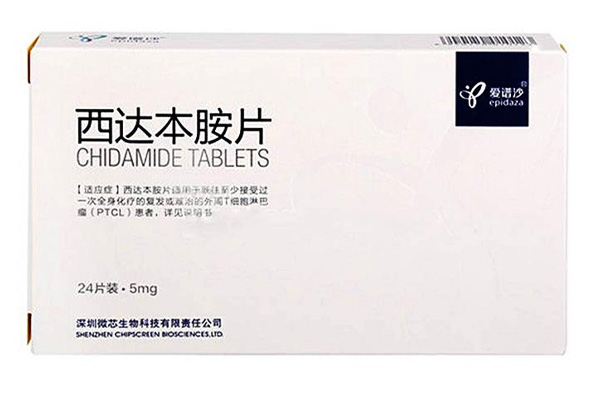
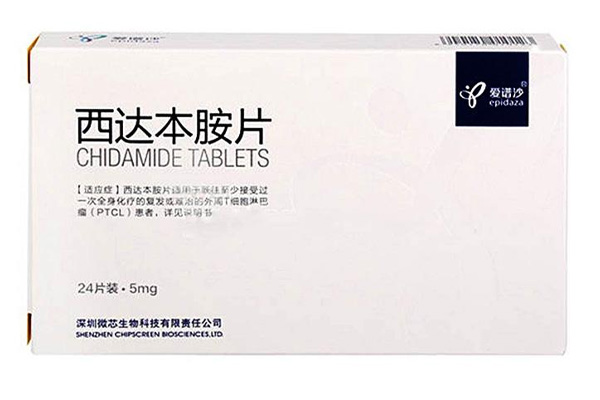
Chidamide is China’s first original innovative antineoplastic drug to achieve overseas licensing, and its core advantages lie in innovation, clinical value and medication convenience.

 AuthenticGuaranteeFast DeliveryPrivacy
 Chidamide is an original innovative drug independently developed in China. As the world’s first subtype-selective histone deacetylase (HDAC) inhibitor, it is an oral epigenetic regulatory antineoplastic agent.
For patients with relapsed or refractory peripheral T-cell lymphoma (PTCL) who have received at least one prior systemic chemotherapy regimen.
This indication was conditionally approved based on the objective response rate (ORR) results from a single-arm clinical trial. The long-term survival benefit of this product after administration has not been confirmed, and a confirmatory clinical trial with a randomized controlled design is ongoing.
In combination with aromatase inhibitors, for the treatment of postmenopausal patients with hormone receptor-positive, human epidermal growth factor receptor 2-negative (HR+/HER2-) locally advanced or metastatic breast cancer who have relapsed or progressed after endocrine therapy.
In combination with R-CHOP (rituximab, cyclophosphamide, doxorubicin, vincristine and prednisone), for the treatment of previously untreated patients with diffuse large B-cell lymphoma (DLBCL) positive for MYC and BCL2 expression.
This indication was conditionally approved based on the primary analysis results of complete remission rate (CRR) and the interim analysis results of event-free survival (EFS) from a randomized controlled trial. The regular approval will depend on the primary analysis results of this study and the long-term survival follow-up data.
This product must be administered under the supervision of a physician experienced in cancer treatment.
Peripheral T-cell Lymphoma (PTCL)
Chidamide Tablets are for oral administration. The recommended dose for adults is 30 mg (6 tablets) per administration, twice weekly, with an interval of no less than 3 days between two doses (e.g., Monday & Thursday, Tuesday & Friday, Wednesday & Saturday). The tablets should be taken 30 minutes after meals. Continuous administration is recommended unless disease progression or intolerable adverse reactions occur.
Breast Cancer
When used in combination with the aromatase inhibitor exemestane, the dosage and administration of Chidamide Tablets are the same as those for PTCL. The recommended dose of exemestane is 25 mg once daily (see the package insert of exemestane for details).
Previously Untreated Diffuse Large B-cell Lymphoma (DLBCL) Positive for MYC and BCL2 Expression
This product should be used in combination with the R-CHOP regimen. A total of 6 cycles of combined administration are recommended, with each cycle lasting 3 weeks.
Chidamide Tablets: The recommended dose is 20 mg (4 tablets) per administration, to be taken 30 minutes after meals on Days 1, 4, 8 and 11 of each cycle.
R-CHOP regimen components: Rituximab should be administered on Day 1 of each cycle; cyclophosphamide, doxorubicin and vincristine on Day 2 of each cycle; prednisone on Days 2 to 6 of each cycle.
For patients who achieve complete remission after the combined treatment, monotherapy maintenance with Chidamide Tablets is recommended for 24 weeks. The recommended maintenance dose is 20 mg (4 tablets) per administration, with a 3-week cycle, to be taken 30 minutes after meals on Days 1, 4, 8 and 11 of each cycle.
Please refer to the respective package inserts for detailed information on rituximab, cyclophosphamide, doxorubicin, vincristine and prednisone in the R-CHOP regimen.
This product is contraindicated in patients with hypersensitivity to chidamide or any of its components, pregnant women, and patients with severe cardiac insufficiency.
The common adverse reactions observed in clinical trials are as follows:
Hematological adverse reactions, including decreased platelet count, decreased white blood cell or neutrophil count, and decreased hemoglobin;
General adverse reactions, including fatigue and fever;
Gastrointestinal adverse reactions, including diarrhea, nausea and vomiting;
Metabolic and nutritional adverse reactions, including decreased appetite, hypokalemia and hypocalcemia;
Other adverse reactions, including dizziness and rash.
Pregnancy
No studies have been conducted on the use of Chidamide Tablets in pregnant women. Results of reproductive toxicity tests in rats showed that at a dose approximately twice the human therapeutic dose, chidamide exerted certain maternal toxicity in pregnant female rats, and could cause fetal growth retardation, increased incidence of visceral and skeletal variations, elevated numbers of stillbirths and post-implantation loss rates, as well as fetal morphological malformations. These findings indicate that chidamide has a toxic effect on embryonic development in animals.
Administration of Chidamide Tablets is prohibited during pregnancy. If a patient takes this product during pregnancy or becomes pregnant during treatment, the patient should be informed of the potential risks of this product to the fetus. Women of childbearing potential should be advised to avoid pregnancy during treatment with Chidamide Tablets.
Lactating Women
It is unknown whether this product is excreted in human milk. Lactating women are recommended to discontinue breastfeeding during treatment with this product.
No studies have been conducted to evaluate the efficacy and safety of Chidamide Tablets in patients under 18 years of age; therefore, its use is not recommended in this population.
Pharmacokinetic studies in 33 patients with T-cell lymphoma showed that in geriatric patients (≥65 years old), chidamide tended to have shorter time to peak concentration, prolonged elimination half-life, and increased peak plasma concentration and exposure, but these differences were not statistically significant. Population pharmacokinetic analysis suggested that age has no significant effect on the pharmacokinetic behavior of chidamide. Physicians may guide medication use or adjust the dosage based on the overall clinical status of geriatric patients.
For more detailed drug information, please consult the official package leaflet.
Chidamide is a histone deacetylase (HDAC) inhi···...【详情】
The usual dosage of chidamide is one capsule (···...【详情】
Chidamide is a targeted drug indicated for the···...【详情】
Chidamide Tablets is an antineoplastic agent i···...【详情】
Chidamide Tablets are a prescription anti-tumo···...【详情】
If any issues arise, please contact us immediately.
Email:haiousales@gmail.com
Copyright 2024 @ haiouhealth.com All right reserved SEAGULL HEALTH


