
SEAGULL HEALTH
Your health,We care!
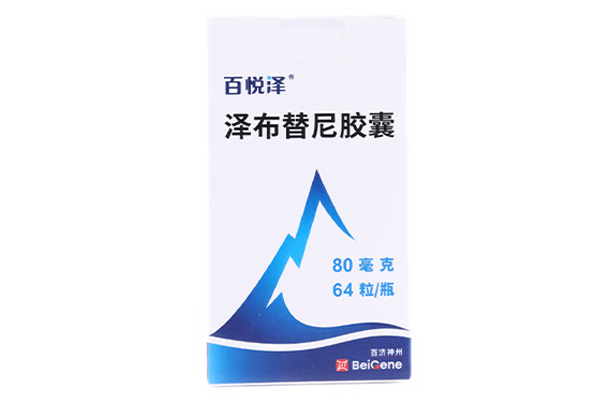
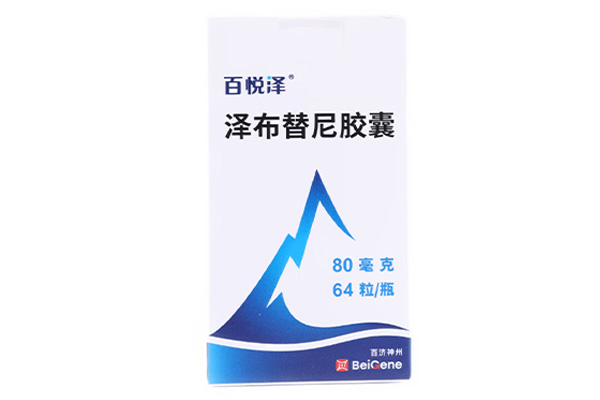
Zanubrutinib is the first domestically-developed anticancer drug approved in the United States, featuring superior efficacy, high safety, and a broad range of globally approved indications.

 AuthenticGuaranteeFast DeliveryPrivacy
 Zanubrutinib was approved for marketing by the National Medical Products Administration (NMPA) of China in June 2020, becoming the first domestically-developed BTK inhibitor to be launched in China.
This product is indicated as monotherapy for the following adult patients:
1.Patients with mantle cell lymphoma (MCL) who have received at least one prior line of therapy.
2.Patients with chronic lymphocytic leukemia (CLL)/small lymphocytic lymphoma (SLL).
3.Patients with Waldenström's macroglobulinemia (WM).
The indication for MCL was granted conditional approval based on the overall response rate (ORR) results of a single-arm clinical trial. The full approval of this indication is contingent upon the results of the ongoing confirmatory randomized controlled trials (RCTs).
This product, in combination with obinutuzumab, is indicated for:
Adult patients with relapsed or refractory follicular lymphoma (FL) who have received at least two prior lines of systemic therapy.
The indication for FL was granted conditional approval based on the overall response rate (ORR) results of a randomized controlled trial. The full approval of this indication is contingent upon the results of the ongoing confirmatory randomized controlled trials (RCTs).
This product must be administered under the guidance of a physician experienced in the treatment of hematologic malignancies.
It should be administered orally, at approximately the same time each day. The capsules should be swallowed whole with water, and may be taken with or without food. Do not open, break or chew the capsules. If a dose is missed at the scheduled time, the patient should take it as soon as possible on the same day and resume the normal dosing schedule the next day. Do not take an extra dose to make up for a missed dose.
The recommended total daily oral dose of zanubrutinib is 320 mg. The dosing regimen is 160 mg (two 80 mg capsules) twice daily, until disease progression or unacceptable toxicity occurs.
This product is contraindicated in patients with known hypersensitivity to zanubrutinib or any of its excipients (e.g., immediate and accelerated hypersensitivity reactions).
Based on the pooled data from ten studies, the most common adverse reactions (≥ 20%) were neutrophil count decrease, thrombocytopenia, upper respiratory tract infection, ecchymosis, hemorrhage/hematoma, musculoskeletal pain, rash, hemoglobin decrease and infectious pneumonia.
The most common grade 3 or higher adverse reactions (≥ 5%) were neutrophil count decrease, infectious pneumonia, thrombocytopenia and hypertension.
Based on the pooled data from two studies, the most common adverse reactions (≥ 20%) were thrombocytopenia, neutrophil count decrease, hemoglobin decrease, fatigue, musculoskeletal pain and upper respiratory tract infection.
The most common grade 3 or higher adverse reactions (≥ 5%) were neutrophil count decrease, infectious pneumonia and thrombocytopenia.
Women are advised to avoid pregnancy and breastfeeding during treatment with this product. If this product is used during pregnancy or if a patient becomes pregnant while taking this product, the patient should be informed of the potential risks of this product to the fetus.
Currently, there are no data available regarding whether this product and its metabolites are excreted in human milk, or whether they can affect breastfed infants or milk production. Breastfeeding may expose infants to serious adverse reactions caused by this product. Therefore, lactating women are advised to refrain from breastfeeding during treatment and for at least two weeks after the last dose.
The safety and efficacy of this product in pediatric patients have not been established.
Among the 1,550 patients who received monotherapy in the clinical trials of this product, 61% were aged ≥ 65 years and 22% were aged ≥ 75 years. The incidence of grade ≥ 3 adverse reactions and serious adverse reactions in geriatric patients (≥ 65 years) (63% and 47%, respectively) was higher than that in younger patients (< 65 years) (57% and 36%, respectively). In terms of efficacy, no overall difference was observed between geriatric and younger patients. No dose adjustment is required for geriatric patients based on age alone.
For more detailed drug information, please consult the official package leaflet.
Zanubrutinib is currently available as oral ca···...【详情】
The standard dosage of zanubrutinib is oral ad···...【详情】
Zanubrutinib is a targeted therapeutic agent (···...【详情】
Zanubrutinib is a targeted therapeutic agent (···...【详情】
The use of zanubrutinib in special populations···...【详情】
If any issues arise, please contact us immediately.
Email:haiousales@gmail.com
No, it cannot. Please go to a hospital to get a new prescription of the medicine.
Concomitant use of other similar medications with Zanubrutinib is not recommended, to avoid drug-drug interactions and an increased risk of adverse reactions. All decisions on combination medication must be made under the guidance of a doctor.
Copyright 2024 @ haiouhealth.com All right reserved SEAGULL HEALTH


