
SEAGULL HEALTH
Your health,We care!
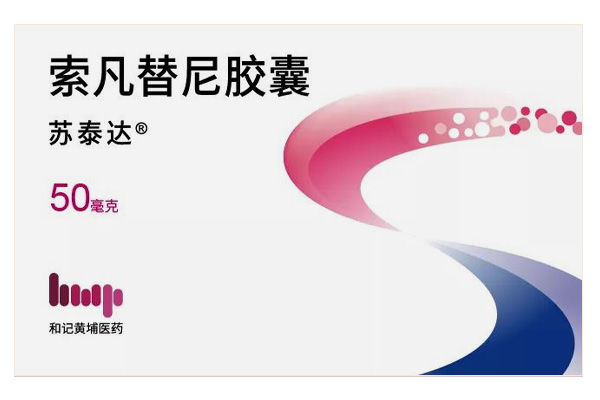
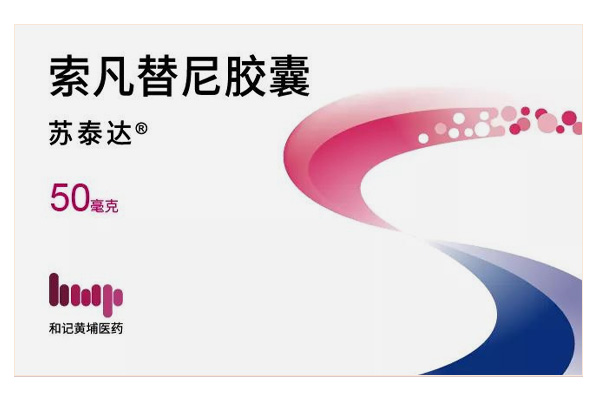
Surufatinib Capsules, a domestic Class 1 innovative oral VEGFR-TKI targeted agent, is the world’s first of its kind to cover both pancreatic and non-pancreatic neuroendocrine tumors.

 AuthenticGuaranteeFast DeliveryPrivacy
 Surufatinib Capsules was first approved for marketing by the National Medical Products Administration (NMPA) in December 2020, and its indication was expanded to include pancreatic neuroendocrine tumors in June 2021, making it the world’s first VEGFR-TKI agent for the treatment of both pancreatic and non-pancreatic neuroendocrine tumors.
Surufatinib Capsules as monotherapy are indicated for the treatment of unresectable, locally advanced or metastatic, progressive, non-functional, well-differentiated (G1, G2) neuroendocrine tumors of pancreatic and non-pancreatic origin.
This product should be administered under the supervision of a physician experienced in the treatment of malignant tumors.
300mg (6capsules) once daily, with continuous administration (every 4 weeks constitutes one treatment cycle). This product may be taken with a low-fat meal (500kcal, approximately 20% fat) or on an empty stomach, and the capsules should be swallowed whole. It is recommended to take the medication at the same time each day. If the patient vomits after administration, no additional dose is required. In case of a missed dose, do not double the dose on the next day; the next scheduled dose should be taken as usual.
Administer continuously in accordance with treatment cycles until disease progression or intolerable toxicity occurs.
Physicians should closely monitor patients during treatment and adjust the dosage based on the individual patient's safety and tolerability, including temporary suspension of administration, dose reduction, or permanent discontinuation of this product. Dose modification should follow the principle of "suspend administration first, then reduce the dose".
Hypersensitivity to any component of Surufatinib Capsules.
Severe active bleeding, active peptic ulcer, unhealed gastrointestinal perforation or gastrointestinal fistula.
Severe hepatic insufficiency.
Pregnant or lactating women.
Adverse reactions with an incidence of ≥20% observed in 718 patients include: proteinuria, hypertension, elevated blood bilirubin, diarrhea, decreased blood albumin, elevated blood triglycerides, elevated blood thyroid-stimulating hormone, fatigue/asthenia, abdominal pain, peripheral edema, elevated blood uric acid, and bleeding.
Contraception
Women of childbearing potential must be informed that this product may cause fetal harm. A pregnancy test must be performed to rule out pregnancy before such women start taking this product.
Women of childbearing potential must use effective contraception during treatment and for 1 month after the last dose.
Male patients must use effective contraception during treatment and for 3 months after the last dose.
Pregnancy
No clinical studies have been conducted to evaluate the effects of this product on pregnant women. Based on its mechanism of action, this product may cause fetal harm if administered to pregnant women. In rat developmental toxicity studies, teratogenicity, embryotoxicity and fetotoxicity of surufatinib were observed when maternal exposure was below the human exposure at the clinically recommended dose. Therefore, this product is contraindicated during pregnancy.
Lactation
It is not known whether this product is excreted in human milk. Since most drugs are excreted in human milk, the risk to breastfed infants cannot be excluded. Breastfeeding must be discontinued during treatment with this product.
Fertility
No data are available on the effects of this product on human fertility. Results from animal studies indicate that surufatinib may impair male or female fertility.
No clinical data are available for patients under 18 years of age. Use of this product is not recommended in pediatric patients and adolescents.
In clinical studies of surufatinib, a total of 150 geriatric patients (≥65 years of age) were treated with this product, accounting for 19.5% of the total exposed population. Compared with patients <65 years of age, no significant increase in the incidence of grade ≥3 adverse events, serious adverse events, or adverse events leading to treatment discontinuation was observed in geriatric patients.
No adjustment of the initial dose is recommended for geriatric patients.
For more detailed drug information, please consult the official package leaflet.
If any issues arise, please contact us immediately.
Email:haiousales@gmail.com
Copyright 2024 @ haiouhealth.com All right reserved SEAGULL HEALTH


