
SEAGULL HEALTH
Your health,We care!
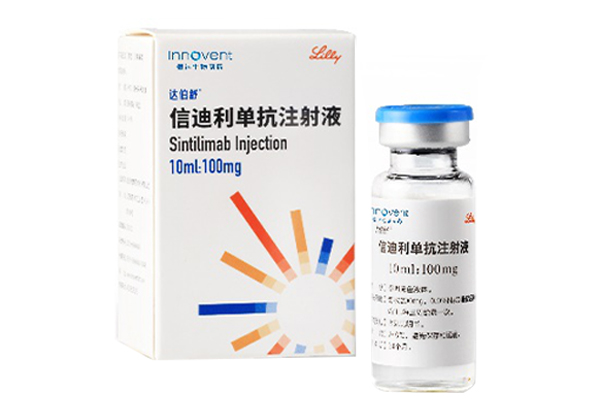
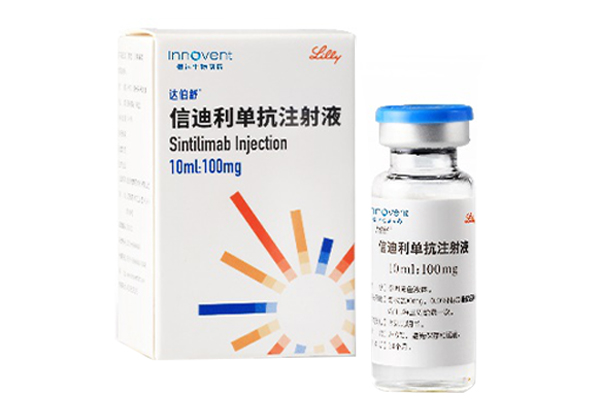
With definite efficacy, manageable safety and high treatment accessibility, Sintilimab Injection provides a cost-effective therapeutic option for patients with various advanced tumors.

 AuthenticGuaranteeFast DeliveryPrivacy
 As a supported achievement of China's "Major New Drug Innovation" national science and technology special project, Sintilimab Injection was approved for marketing by the National Medical Products Administration (NMPA) on December 27, 2018.
This product is indicated for the treatment of relapsed or refractory classical Hodgkin lymphoma in patients who have received at least two lines of systemic chemotherapy.
This indication was approved conditionally based on the objective response rate and duration of response data from a single-arm clinical trial. The full approval of this indication will depend on whether the ongoing confirmatory randomized controlled clinical trial can confirm the significant clinical benefit of sintilimab over the standard treatment.
Non-Squamous NSCLC
This product, in combination with pemetrexed plus platinum-based chemotherapy, is indicated for the first-line treatment of unresectable locally advanced or metastatic non-squamous NSCLC in patients with epidermal growth factor receptor (EGFR) gene mutation-negative and anaplastic lymphoma kinase (ALK)-negative.
This product, in combination with bevacizumab, pemetrexed plus cisplatin, is indicated for the treatment of locally advanced or metastatic non-squamous NSCLC in patients with EGFR gene mutation-positive who have failed treatment with epidermal growth factor receptor tyrosine kinase inhibitors (EGFR-TKIs).
Squamous NSCLC
This product, in combination with gemcitabine plus platinum-based chemotherapy, is indicated for the first-line treatment of unresectable locally advanced or metastatic squamous NSCLC.
This product, in combination with bevacizumab, is indicated for the first-line treatment of unresectable or metastatic HCC in patients who have not received prior systemic therapy.
This product, in combination with paclitaxel plus cisplatin or fluorouracil plus cisplatin, is indicated for the first-line treatment of unresectable locally advanced, relapsed or metastatic esophageal squamous cell carcinoma.
This product, in combination with fluoropyrimidine-containing plus platinum-based chemotherapy, is indicated for the first-line treatment of unresectable locally advanced, relapsed or metastatic gastric and gastroesophageal junction adenocarcinoma.
This product, in combination with fruquintinib capsules, is indicated for the treatment of advanced proficient mismatch repair (pMMR) endometrial carcinoma in patients who have failed prior systemic anti-tumor therapy and are not suitable for curative surgery or curative radiotherapy.
This indication was approved conditionally based on surrogate endpoints. Clinical endpoint data have not yet been obtained, and the efficacy and safety are to be further confirmed after marketing. The full approval of this indication will depend on whether the ongoing confirmatory randomized controlled clinical trial can confirm the clinical benefit of sintilimab combined with fruquintinib capsules.
This product must be administered under the guidance of a physician experienced in tumor treatment.
Classical Hodgkin Lymphoma, Non-Small Cell Lung Cancer, Hepatocellular Carcinoma, Endometrial Cancer
This product is administered via intravenous infusion at a recommended dose of 200 mg once every 3 weeks, until disease progression or unacceptable toxicity occurs.
This product is administered via intravenous infusion.
For patients with body weight < 60 kg, the recommended dose is 3 mg/kg once every 3 weeks, until disease progression or unacceptable toxicity occurs.
For patients with body weight ≥ 60 kg, the recommended dose is 200 mg once every 3 weeks, until disease progression or unacceptable toxicity occurs.
When this product is administered in combination with chemotherapy, sintilimab should be given first. See the prescribing information of the chemotherapy drugs for additional details.
When this product is administered in combination with bevacizumab, sintilimab should be given first, with an interval of at least 5 minutes. Bevacizumab is recommended to be administered on the same day. See the prescribing information of bevacizumab for additional details.
When this product is administered in combination with bevacizumab and chemotherapy, sintilimab should be given first, with an interval of at least 5 minutes, followed by intravenous injection of bevacizumab, and then pemetrexed plus cisplatin. See the prescribing information of bevacizumab and the chemotherapy drugs for additional details.
When this product is administered in combination with fruquintinib, refer to the prescribing information of fruquintinib for additional details.
Patients with hypersensitivity to the active ingredient or any excipient of Sintilimab Injection are prohibited from use.
Adverse reactions with an incidence rate of ≥10% include anemia, pyrexia, abnormal thyroid function test, increased aspartate aminotransferase, increased alanine aminotransferase, proteinuria, fatigue, respiratory tract infection, hypothyroidism, decreased appetite, hyperglycemia, leukopenia, rash, increased blood bilirubin, decreased lymphocyte count, increased gamma-glutamyl transferase, pulmonary infection, hypokalemia.
The incidence rate of grade 3 and above adverse reactions is 30.3%. Adverse reactions with an incidence rate of ≥1% include pulmonary infection, anemia, increased lipase, decreased lymphocyte count, hypokalemia, hypertension, pneumonitis, respiratory tract infection, decreased appetite, increased gamma-glutamyl transferase, thrombocytopenia, increased alanine aminotransferase, neutropenia, leukopenia, increased aspartate aminotransferase, increased amylase, abnormal liver function.
Adverse reactions with an incidence rate of ≥10% include anemia, leukopenia, neutropenia, thrombocytopenia, nausea, decreased appetite, increased aspartate aminotransferase, fatigue, increased alanine aminotransferase, proteinuria, pyrexia, hypokalemia, hypertension, diarrhea, abnormal thyroid function test, rash, hypothyroidism, increased blood bilirubin, increased gamma-glutamyl transferase, decreased lymphocyte count, hyperglycemia.
The incidence rate of grade 3 and above adverse reactions is 57.1%. Adverse reactions with an incidence rate of ≥1% include neutropenia, thrombocytopenia, anemia, leukopenia, hypertension, hypokalemia, pulmonary infection, decreased lymphocyte count, increased gamma-glutamyl transferase, fatigue, increased blood bilirubin, nausea, abnormal liver function, diarrhea, proteinuria, increased amylase, rash, decreased appetite, pneumonitis.
Pregnancy
There are no data on the use of this product in pregnant women. In the ORIENT-32 study, one patient’s spouse became pregnant during the patient’s treatment with sintilimab in combination with bevacizumab, and the female infant born had syndactyly of the left small toe, which was classified as a congenital anomaly or birth defect; the correlation with the drugs is unclear. Animal studies have shown that PD-1-blocking antibodies have embryo-fetal toxicity. It is known that human IgG4 can cross the placental barrier. As an IgG4, this product may be transferred from the mother to the developing fetus. The use of this product during pregnancy is not recommended unless the clinical benefit outweighs the potential risk.
Lactation
It is currently unknown whether this product is excreted in human milk, as well as the effects of this product on breastfed infants and milk production. Since human IgG is secreted into breast milk, this product may pose potential risks to breastfed infants. Therefore, lactating women are advised to discontinue breastfeeding during the treatment with this product and for at least 5 months after the last administration.
Contraception
Men and women of childbearing potential should use effective contraceptive measures during the treatment with this product and for at least 5 months after the last administration.
Fertility
There are no clinical data on the potential effects of this product on fertility, so the impact of this product on male and female fertility is unknown.
The safety and efficacy of this product in children and adolescents under 18 years of age have not been established.
In the current clinical trials of this product, elderly patients aged >65 years accounted for a proportion of all patients. The incidence of adverse drug reactions of all grades was 96.7% and 96.4% in elderly patients and non-elderly patients, respectively; the incidence of adverse drug reactions of grade 3 and above was 59.7% and 48.1%, respectively; the incidence of adverse reactions leading to treatment suspension/delay was 47.6% and 35.8%, respectively; and the incidence of adverse reactions leading to permanent treatment discontinuation was 8.3% and 5.4%, respectively. No special dosage adjustment was made for elderly patients in clinical studies. It is recommended that elderly patients use this product with caution under the guidance of physicians; if use is necessary, no dosage adjustment is required.
In the ORIENT-31 study, the incidence of adverse reactions including decreased white blood cell count, decreased platelet count, and hypokalemia was higher in patients aged ≥65 years than in patients aged <65 years. Therefore, lung cancer patients aged ≥65 years receiving this product in combination with bevacizumab and chemotherapy should use the product under the guidance of physicians.
For more detailed drug information, please consult the official package leaflet.
If any issues arise, please contact us immediately.
Email:haiousales@gmail.com
Copyright 2024 @ haiouhealth.com All right reserved SEAGULL HEALTH


