
SEAGULL HEALTH
Your health,We care!
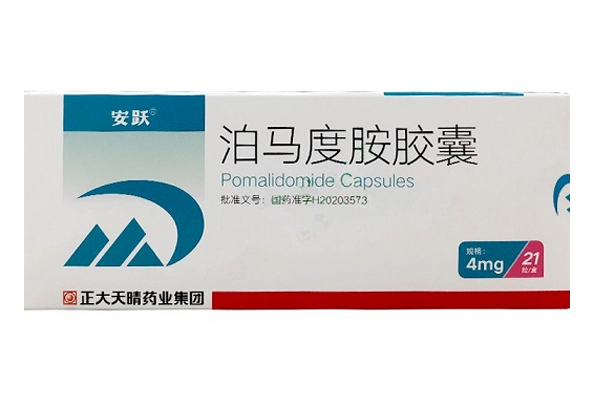
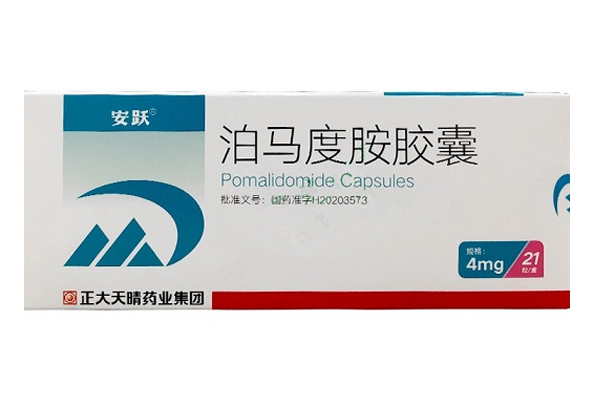
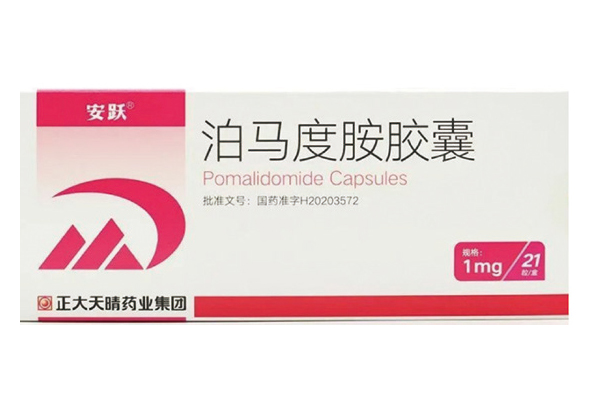
As an immunomodulatory targeted drug, Pomalidomide offer a crucial therapeutic option for adult patients with relapsed and refractory multiple myeloma who progressed after at least two prior treatments including lenalidomide and a proteasome inhibitor.

 AuthenticGuaranteeFast DeliveryPrivacy
 As an immunomodulatory targeted drug and a derivative of thalidomide, Pomalidomide Capsules provide an important therapeutic option for myeloma patients with disease progression after multiple lines of therapy, by virtue of its unique therapeutic targets and clear clinical positioning.
Pomalidomide Capsules are indicated for adult patients with multiple myeloma who have received at least two prior lines of therapy (including lenalidomide and a proteasome inhibitor), and in whom disease progression occurred during the last line of therapy or within 60 days after the completion of the last line of therapy.
Pomalidomide Capsules should be administered orally. The recommended standard dose is 4 mg once daily. The treatment follows a cyclic regimen, with a complete cycle of 28 days: the drug should be taken daily on the first 21 days of each cycle, followed by a 7-day drug-free interval.
The capsules must be swallowed whole. Do not damage the capsule shell, and avoid chewing or opening the capsules for administration.
The administration time is flexible, and the capsules may be taken with or without food.
Prior to the initiation of treatment, ensure that the patient’s blood test indices meet the required standards, with the absolute neutrophil count (ANC) ≥ 500/μL and platelet count ≥ 50,000/μL.
Patients with hypersensitivity to Pomalidomide Capsules are prohibited from use.
Prohibited during the childbearing period.
Prohibited during pregnancy.
Use with caution in pediatric patients.
Use with caution in lactating women.
Use with caution in patients with impaired hepatic and renal function.
Use with caution during driving.
Pomalidomide may cause a variety of adverse reactions, the severity of which varies from person to person. Common and important reactions include the following:
This drug has a similar structure to thalidomide, a teratogenic drug. Its use during pregnancy may result in fetal malformation or miscarriage.
It may induce venous thrombosis, such as deep venous thrombosis of the lower extremities, and pulmonary embolism; it may also trigger arterial thrombosis leading to myocardial infarction or stroke.
The main manifestations include a sharp decrease in white blood cells, which increases the risk of infection, as well as anemia and thrombocytopenia.
It may cause elevated transaminases; in severe cases, it can lead to liver failure that may even be life-threatening.
Including extensive skin ulceration (toxic epidermal necrolysis) and rash accompanied by systemic symptoms.
Some patients may experience persistent dizziness, confusion, or numbness and tingling of the hands and feet.
Individual case reports have documented the occurrence of secondary malignancies such as leukemia after administration of this drug.
Patients with large tumors may experience massive tumor cell lysis following treatment.
Severe hypersensitivity manifestations such as sudden facial swelling and dyspnea may occur.
This drug has a similar structure to thalidomide and carries a risk of fetal teratogenesis. Strict contraception must be implemented.
Lactating Women
Breastfeeding is recommended to be discontinued to prevent the drug from being transmitted through breast milk.
Clear guidance on safe medication use is currently unavailable.
Administration at the usual dose is acceptable.
Dose adjustment may be required.
Dose adjustment should be made based on creatinine clearance.
Regular monitoring of blood routine indices is necessary.
Concurrent anticoagulant therapy may be required.
Precautions should be taken to guard against the risk of infection.
Neurological symptoms such as fatigue and dizziness may occur during treatment; hazardous activities should be avoided.
Immediate discontinuation of treatment and medical attention are recommended if any of the following conditions occur:
Extensive skin blistering or desquamation;
Persistent chest pain, dyspnea or unilateral limb swelling;
Severe headache accompanied by blurred vision or limb numbness;
Persistent high fever unresponsive to treatment or abnormal bleeding;
Yellowing of the skin or sclera, or darkened urine color.
Physicians will assess whether permanent discontinuation or adjustment of subsequent treatment regimens is required based on specific symptoms. Even if symptoms resolve after self-discontinuation, follow-up consultation is still required to confirm the subsequent medication plan.
For more detailed drug information, please consult the official package leaflet.
If any issues arise, please contact us immediately.
Email:haiousales@gmail.com
Copyright 2024 @ haiouhealth.com All right reserved SEAGULL HEALTH


