
SEAGULL HEALTH
Your health,We care!
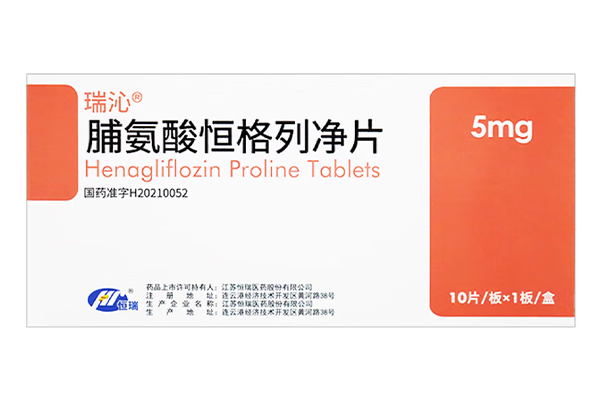
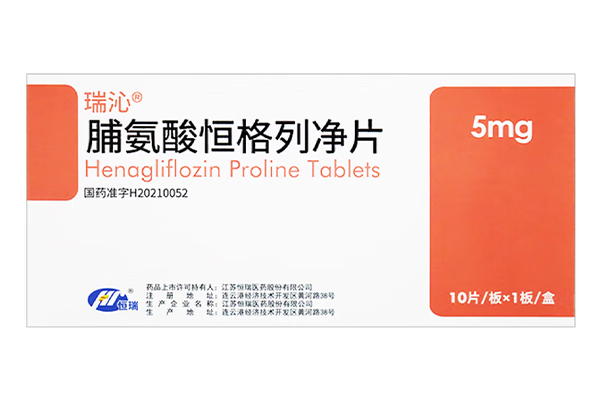
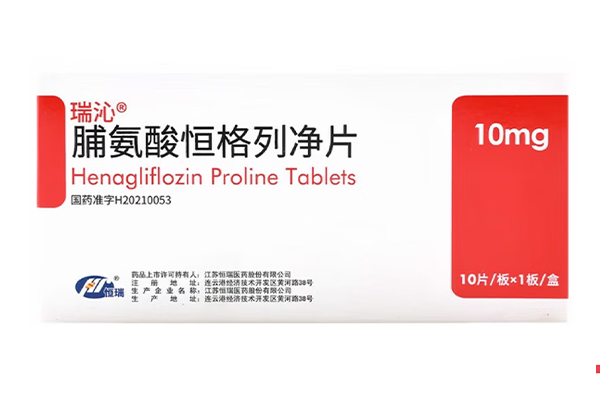
Empagliflozin Proline Tablets can be used as monotherapy or in combination with Metformin Hydrochloride and Repaglinide Phosphate; it features convenient administration and is a high-quality domestic innovative oral antidiabetic drug.

 AuthenticGuaranteeFast DeliveryPrivacy
 Empagliflozin Proline Tablets offers a high-quality domestic innovative oral antidiabetic option for patients with Type 2 diabetes mellitus in China, and is not indicated for patients with Type 1 diabetes mellitus (T1DM) or diabetic ketoacidosis (DKA).
Empagliflozin Proline Tablets are indicated for the improvement of glycemic control in adult patients with Type 2 diabetes mellitus (T2DM).
This product may be used as monotherapy, in combination with diet and exercise, to improve glycemic control in adult patients with Type 2 diabetes mellitus.
When glycemic control is inadequate with Metformin Hydrochloride monotherapy, this product may be used in combination with Metformin Hydrochloride, together with diet and exercise, to improve glycemic control in adult patients with Type 2 diabetes mellitus.
When glycemic control is inadequate with Metformin Hydrochloride monotherapy, this product may be used in combination with Metformin Hydrochloride and Repaglinide Phosphate, together with diet and exercise, to improve glycemic control in adult patients with Type 2 diabetes mellitus.
Usage Restrictions
This product is not indicated for the treatment of Type 1 diabetes mellitus (T1DM) or diabetic ketoacidosis (DKA).
The recommended starting dose is 5 mg once daily, preferably taken in the morning, without regard to food intake. For patients requiring enhanced glycemic control who tolerate 5 mg once daily, the dose of this product may be increased to 10 mg once daily.
For volume-depleted patients, it is recommended to correct this condition before initiating treatment with this product.
It is recommended to assess renal function before initiating this product and conduct regular assessments thereafter.
No dose adjustment is required for patients with an estimated glomerular filtration rate (eGFR) of 30 mL/min/1.73 m² or higher.
No clinical studies have been conducted in patients with an eGFR below 30 mL/min/1.73 m², and the use of this product is not recommended in such patients.
It is recommended to assess hepatic function before initiating this product and conduct regular assessments thereafter.
No dose adjustment is required for patients with mild hepatic impairment (Child-Pugh Class A).
For patients with moderate to severe hepatic impairment (Child-Pugh Class B and C), exposure to this product is increased; the recommended dose of this product should be reduced to 5 mg once daily, and dose escalation should be performed with caution.
It is contraindicated in patients with hypersensitivity to the active ingredients or any excipients of Empagliflozin Proline Tablets.
It is contraindicated in patients with severe renal impairment, end-stage renal disease (ESRD) or those requiring dialysis.
Diabetic Ketosis (ketone body accumulation caused by hyperglycemia);
Elevated Blood Ketone Bodies (abnormal findings on blood tests);
Positive Blood Ketone Bodies (abnormal findings on urine tests).
Abnormal findings may be observed on blood tests, including:
Elevated Parathyroid Hormone (detected by blood tests);
Abnormal Parathyroid Hormone (values outside the normal range);
Specific data show that after 24 weeks of administration, the mean changes in parathyroid hormone in the control group, 5 mg group and 10 mg group were 6.5%, 18.7% and 12.1% respectivelyⁿᵃ.
Elevated Urinary Albumin/Creatinine Ratio (abnormal protein content on urine tests);
Abnormal Fluctuations in the Above Ratio (unstable results in repeated tests).
Urinary Tract Infections (symptoms such as burning pain and urgent micturition during urination);
Asymptomatic Bacteriuria (bacteria detected in urine without accompanying discomfort);
Urinary Tract Inflammation (urination discomfort accompanied by abnormal laboratory indicators).
This drug may cause bodily fluid loss by increasing urination, leading to reactions such as hypotension. Clinical data show that no relevant symptoms were observed in the control group, while hypotension occurred in 0.5% (2 cases) of patients in both the 5 mg group and the 10 mg group. For patients who are inherently prone to dehydration, enhanced monitoring is required during the medication period.
Pregnancy
No adequate and well-controlled clinical studies have been conducted in pregnant women with this product. Use of this product is not recommended during pregnancy.
Lactation
No data are available on whether this product and its metabolites are excreted in human milk. Use of this product is not recommended during lactation.
The safety and efficacy of this product in patients under 18 years of age have not been established.
Dose adjustment of this product based on age is not recommended. In the 2 Phase Ⅱ and 3 Phase Ⅲ clinical trials of this product, subjects aged over 65 years accounted for 16.7%. No overall differences in safety and efficacy were observed between elderly and younger subjects. However, increased sensitivity to this product in some elderly patients cannot be ruled out.
For more detailed drug information, please consult the official package leaflet.
If any issues arise, please contact us immediately.
Email:haiousales@gmail.com
Copyright 2024 @ haiouhealth.com All right reserved SEAGULL HEALTH


