
SEAGULL HEALTH
Your health,We care!
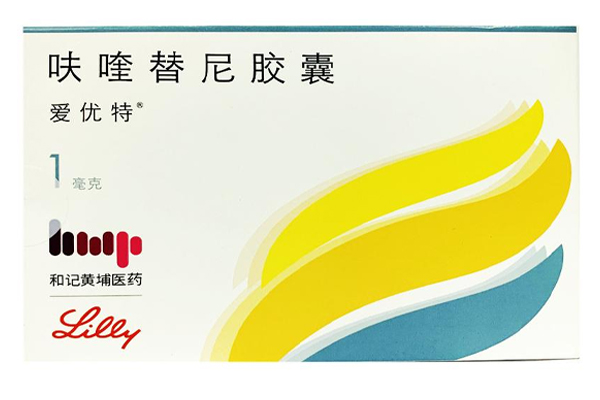
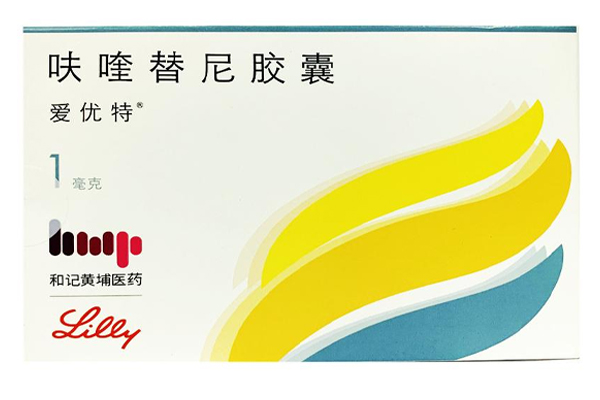

Fruquintinib Capsules, featuring convenient oral administration, strong anti-angiogenic activity and good tolerance, serves as an effective later-line treatment option for patients.

 AuthenticGuaranteeFast DeliveryPrivacy
 As a highly selective vascular endothelial growth factor receptor (VEGFR) inhibitor, Fruquintinib Capsules exerts an anti-tumor effect by inhibiting tumor angiogenesis to block the nutrient supply of tumors, and has demonstrated definite therapeutic efficacy in clinical practice.
Fruquintinib Capsules as monotherapy is indicated for patients with metastatic colorectal cancer (mCRC) who have previously received chemotherapy based on fluoropyrimidines, oxaliplatin and irinotecan, and who have previously received or are not suitable for anti-vascular endothelial growth factor (VEGF) therapy and anti-epidermal growth factor receptor (EGFR) therapy (for RAS wild-type).
Fruquintinib Capsules in combination with Sintilimab Injection is indicated for patients with advanced proficient mismatch repair (pMMR) endometrial cancer who have failed prior systemic anti-tumor therapy and are not suitable for radical surgery or radical radiotherapy.
This indication of the product has been approved conditionally based on surrogate endpoints. Clinical endpoint data have not been obtained yet, and the efficacy and safety are to be further confirmed after marketing. The full approval of this indication will depend on whether the ongoing confirmatory randomized controlled clinical trials can verify the clinical benefit of Fruquintinib Capsules combined with Sintilimab Injection.
This product must be used under the guidance of an experienced oncologist.
This product can be taken with food or on an empty stomach, and must be swallowed whole. It is recommended to take the medicine at the same time every day. If the patient vomits after taking the medicine, no additional dose is needed (unless the intact drug capsule is visible in the vomit, in which case a supplementary dose should be taken). If a dose is missed, do not take an extra dose the next day, and take the next prescribed dose as usual.
5 mg once daily; take continuously for 3 weeks followed by a 1-week drug holiday (a treatment cycle is 4 weeks).
Continue treatment cycles until disease progression or intolerable toxicity occurs.
When used in combination with Sintilimab Injection, the recommended dosage of Fruquintinib is 5 mg once daily, taken continuously for 2 weeks followed by a 1-week drug holiday (a treatment cycle is 3 weeks). See also the prescribing information for Sintilimab Injection.
Continue treatment cycles until disease progression or intolerable toxicity occurs.
Hypersensitivity to any component of Fruquintinib is contraindicated.
It is contraindicated in patients with severe active bleeding, active peptic ulcer, unhealed gastrointestinal perforation, or gastrointestinal fistula. It is also contraindicated in patients with severe hepatic or renal impairment, as well as pregnant or lactating women.
The most common adverse drug reactions (incidence ≥20%) of Fruquintinib monotherapy are hypertension, proteinuria, hand-foot skin reaction, dysphonia, hemorrhage, elevated transaminases, abnormal thyroid function tests, abdominal pain/abdominal discomfort, (oral) mucositis, fatigue/asthenia, diarrhea, infection, elevated blood bilirubin, and decreased appetite.
Among patients receiving Fruquintinib monotherapy, the incidence of grade 3 or higher adverse drug reactions is 51.3%. The common (incidence ≥2%) grade 3 or higher adverse drug reactions are hypertension, hand-foot skin reaction, proteinuria, decreased platelet count, abnormal liver function, elevated blood bilirubin, abdominal pain/abdominal discomfort, diarrhea, fatigue/asthenia, decreased appetite, and hemorrhage.
The most common adverse reactions (incidence ≥20%) of Fruquintinib in combination with Sintilimab are proteinuria, hypothyroidism, hypertension, hand-foot skin reaction, elevated transaminases, anemia, weight loss, hemorrhage, fatigue/asthenia, elevated thyroid-stimulating hormone (TSH), diarrhea, abdominal pain/abdominal discomfort, decreased white blood cell count, urinary tract infection, decreased platelet count, hyperthyroidism, and elevated blood bilirubin.
The incidence of grade 3 or higher adverse drug reactions is 39.5%. The common (incidence ≥2%) grade 3 or higher adverse reactions are hypertension, hand-foot skin reaction, anemia, hemorrhage, proteinuria, weight loss, fatigue/asthenia, and elevated transaminases.
Pregnancy
There are currently no clinical studies on the effects of this product in pregnant women. Based on its mechanism of action, administration of this product to pregnant women may cause fetal harm. In developmental toxicity studies in rats, fruquintinib was shown to have teratogenicity, embryotoxicity, and fetotoxicity when maternal exposure was lower than the human exposure at the clinically recommended dose. Therefore, the use of this product is contraindicated during pregnancy.
Lactation
It is currently unknown whether this product is excreted in human milk. Since most drugs are excreted in human milk, the risk of this product to breastfeeding infants cannot be excluded. Breastfeeding should be avoided during treatment with this product and for 2 weeks after the end of treatment.
Contraception
Women of childbearing potential must be informed that this product may cause fetal harm. Women of childbearing potential should undergo a pregnancy test before taking this product to rule out pregnancy.
Women of childbearing potential must use effective contraception during treatment and for 2 weeks after the end of treatment.
Male patients must use effective contraception during treatment and for 2 weeks after the end of treatment.
Fertility
There are currently no data on the effect of this product on human fertility. Results from animal studies indicate that fruquintinib may impair male or female fertility.
There are currently no clinical data on the use of this product in pediatric or adolescent patients under 18 years of age. The use of this product is not recommended in pediatric patients.
No overall differences in pharmacokinetics, safety, or efficacy profiles were observed between elderly patients (aged 65 years and above) and patients under 65 years of age. No initial dose adjustment is required for elderly patients.
For more detailed drug information, please consult the official package leaflet.
Fruquintinib capsules are a dedicated tumor an···...【详情】
The administration of fruquintinib must follow···...【详情】
Fruquintinib Capsules is an antineoplastic dru···...【详情】
The use of fruquintinib must be strictly guide···...【详情】
Fruquintinib is a targeted therapy used for me···...【详情】
If any issues arise, please contact us immediately.
Email:haiousales@gmail.com
This product should be stored sealed below 30°C. Keep this product out of the reach of children to prevent accidental ingestion.
If you occasionally forget to take a dose on time, do not double the dose or take an extra dose the next day to make up for the missed one. Take the next dose as originally scheduled.
Fruquintinib capsules are available in two strengths:1 mg per capsule and 5 mg per capsule.
Copyright 2024 @ haiouhealth.com All right reserved SEAGULL HEALTH


